Mechanical Performance & Dimensional Control
Strength, stiffness, toughness, tolerances, dimensional stability, and component interactions can influence material requirements.

Translate surgical-device requirements into material decisions that support performance, manufacturability, and production readiness.
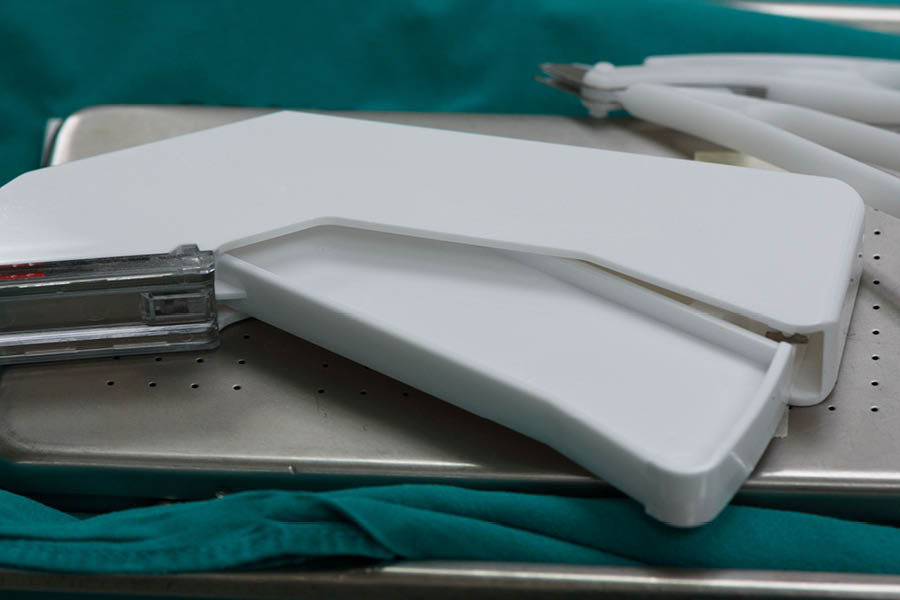
Surgical devices can require materials to balance mechanical performance, dimensional stability, movement, sterilization and chemical exposure, appearance, identification, and processing requirements within the same application.
Americhem develops custom engineered compounds, color and additive masterbatches, and specialty material solutions for applications ranging from endo staplers and site access devices to articulated instruments, robotic surgical components, dental devices, and other demanding healthcare applications.
Solutions can be developed around requirements such as:
The right material for a surgical instrument depends on more than its properties on a data sheet.
Join Americhem for a technical webinar hosted by UL Prospector exploring the material and design questions OEM teams should consider when developing disposable, reusable, and articulated surgical instruments.
Through three application examples, the discussion will show how material requirements can interact within the finished device and how those interactions can shape decisions around design, tooling, qualification, and production.
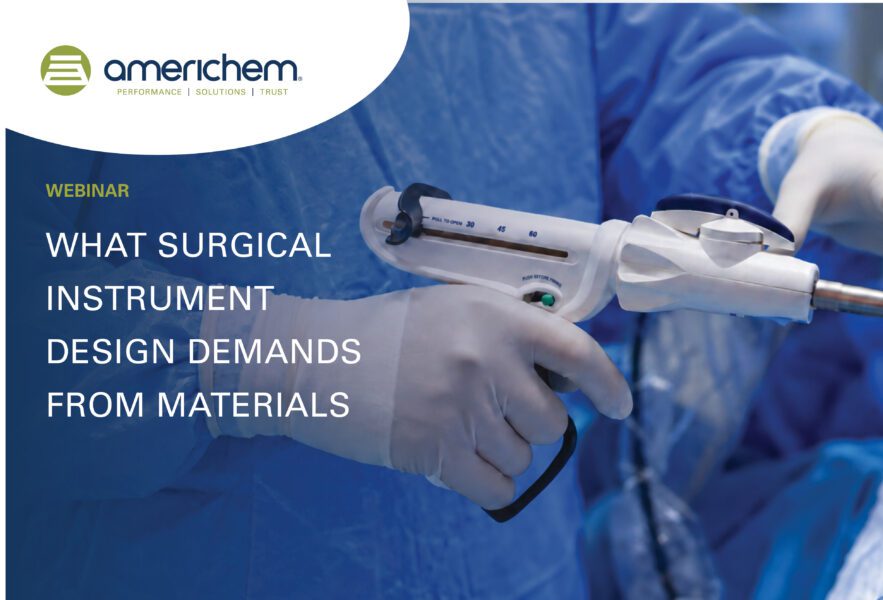
Material requirements can change based on the component, intended use, manufacturing process, and lifecycle. Understanding how these considerations apply to the finished device can help teams make more informed material decisions throughout development.
Strength, stiffness, toughness, tolerances, dimensional stability, and component interactions can influence material requirements.
Moving and mating components can introduce requirements around sliding, actuation, force transmission, friction, and wear.
Sterilization method, cleaning chemistry, contact conditions, repeated exposure, and claimed cycle life can affect material requirements.
Color, contrast, laser marking, radiopacity, and other identification requirements may need to be considered alongside functional performance.
Geometry, flow, shrinkage, warpage, tooling, mating components, and secondary operations can influence how a material translates into production.
Formulation control, documentation, change management, and lot-to-lot consistency can support continuity through qualification and production.

Bring your application requirements, material considerations, and manufacturing challenges to Americhem’s Healthcare team.
Material priorities shift with intended use, reprocessing requirements, motion, manufacturing volume, and lifecycle expectations.
Balance fit, movement, sterilization, assembly, production volume, and cost across single-use devices and components.
Consider repeated cleaning and sterilization, claimed cycle life, motion, dimensional stability, and component interaction.
Address long-term performance, precision, durability, component interaction, and the demands of complex surgical systems.
Support wear, dimensional performance, color consistency, and applicable cleaning or sterilization requirements.
Evaluate materials around device function, contact conditions, mechanical performance, appearance, and intended use.
Explore application examples and technical content on material selection, friction and wear, color and identification, sterilization, manufacturing, and qualification.

A material can meet individual property targets and still create challenges when it encounters actual part geometry, tooling, molding, and assembly conditions.
Americhem works with OEM and manufacturing teams to connect critical-to-quality requirements with material development, processing, and production considerations. That can include evaluating component interactions, resin and formulation options, molding requirements, secondary operations, testing needs, and other application-specific variables while there is still flexibility in the development process.
As programs move toward qualification and production, clean compounding capabilities, formulation control, traceability, documentation, change control, and manufacturing consistency help maintain continuity between the material developed for the application and the material produced at scale. Americhem’s global clean compounding network includes facilities in Morrisville, Pennsylvania; Ribe, Denmark; and Suzhou, China, providing regional manufacturing capabilities across North America, Europe, and Asia.
Americhem support can include:
Americhem offers engineered compounds, color, and specialty technologies that can be tailored around the performance, processing, appearance, and lifecycle requirements of surgical-device applications.
Americhem develops healthcare material solutions around application-specific performance, testing, documentation, and regulatory requirements.
Depending on the formulation and intended use, material options may include ISO 10993-5 tested compounds, materials developed to support applicable FDA 21 CFR requirements, and formulations evaluated to USP Class VI criteria.
Americhem also supports programs with formulation control, documentation, change management, and healthcare-focused manufacturing capabilities to help maintain material consistency through qualification and production.
Explore additional technical resources and application examples covering material performance, healthcare manufacturing, color, and development.
From intended use and reprocessing to molding, qualification, and production, here are questions teams often ask when evaluating materials for surgical device applications.
Start with intended use, critical-to-quality requirements, component geometry and interfaces, motion, sterilization or reprocessing conditions, manufacturing requirements, and expected lifecycle. These factors can interact, so material decisions should be evaluated in the context of the finished device rather than against individual properties alone.
Disposable instruments can place significant demands on component fit, movement, assembly, sterilization, production volume, and cost. Reusable instruments introduce additional considerations related to repeated cleaning and sterilization, claimed cycle life, repeated motion, and retention of required performance over time.
Material requirements are best evaluated while intended use, CTQs, geometry, interfaces, and manufacturing requirements are still being defined. Earlier evaluation gives development teams more flexibility to address material implications before tooling and qualification decisions narrow the available options.
Reusable instruments need to maintain required performance through a defined reprocessing lifecycle. Cleaning chemistry, sterilization method, repeated exposure, component interactions, and claimed cycle life can all influence the material requirements that should be evaluated for the application.
Material behavior and manufacturing conditions are connected. Part geometry, flow, weld lines, shrinkage, warpage, mating components, tooling, and secondary operations can influence whether a material translates successfully from development into the finished device.
Clean compounding provides a controlled manufacturing environment for healthcare applications with demanding material and production requirements. Controls around material handling, contamination prevention, formulation, traceability, documentation, and change management can support manufacturing consistency and material control through production.
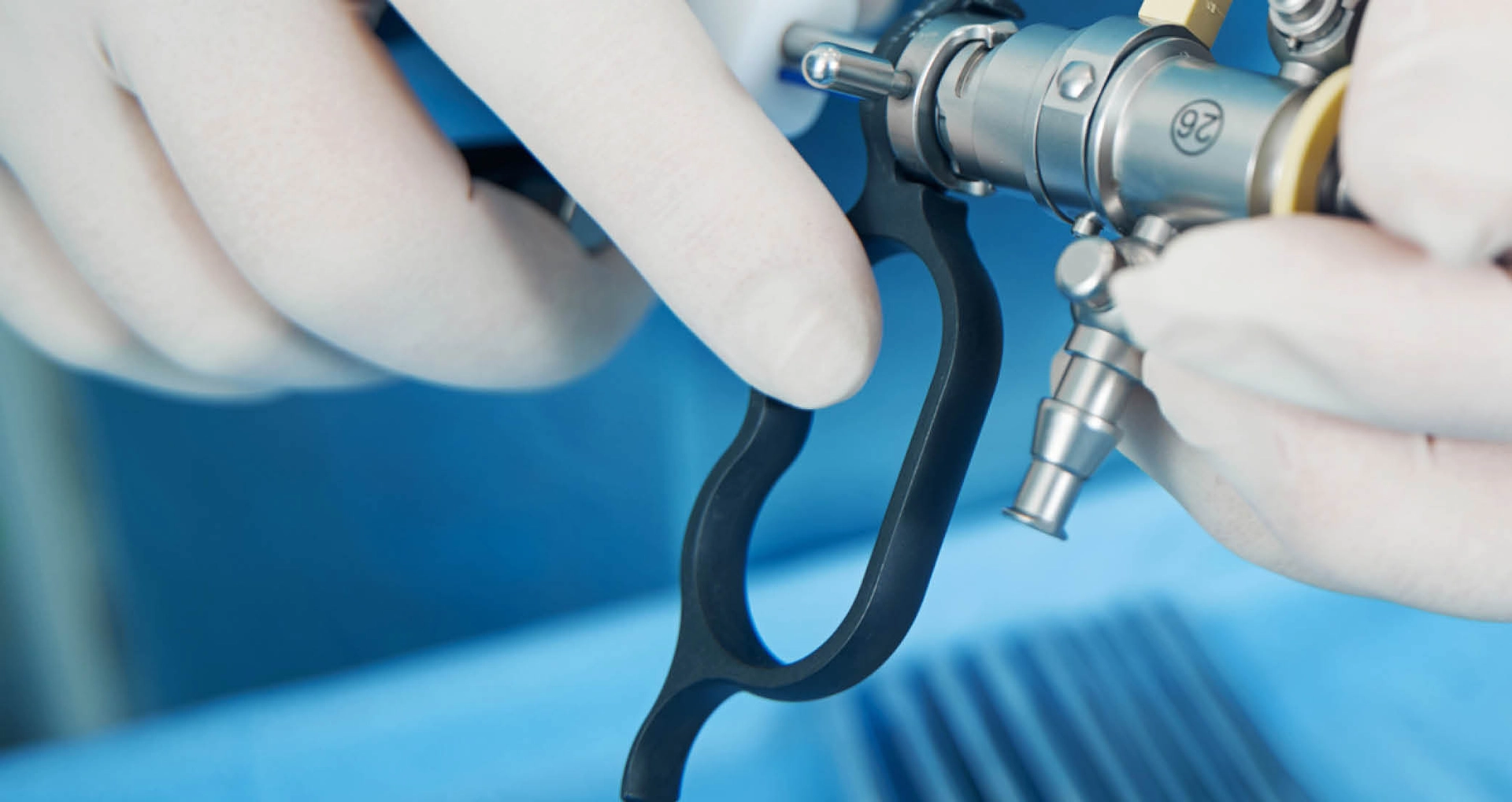
Share your device requirements, component function, manufacturing process, sterilization or reprocessing conditions, and performance priorities with Americhem’s Healthcare team.
Whether you are developing a surgical instrument, device component, or capital equipment application, we can help identify the material, processing, testing, and production considerations worth evaluating next.